

Introduction of new drugs is changing the job of Anesthesiologists
New Drugs in Anesthesia: A Game Changer for Anesthesiologists and Nurse Anesthetists
The field of anesthesia is evolving rapidly, thanks to new developments in pharmacology. For anesthesiologists and nurse anesthetists also known as CRNAs, staying updated with the latest drugs and techniques is essential to providing the best care for patients. These new anesthetic drugs not only improve safety and efficiency during surgeries but also enhance recovery times, reduce side effects, and may even offer a more environmentally friendly approach to the anesthesia world.
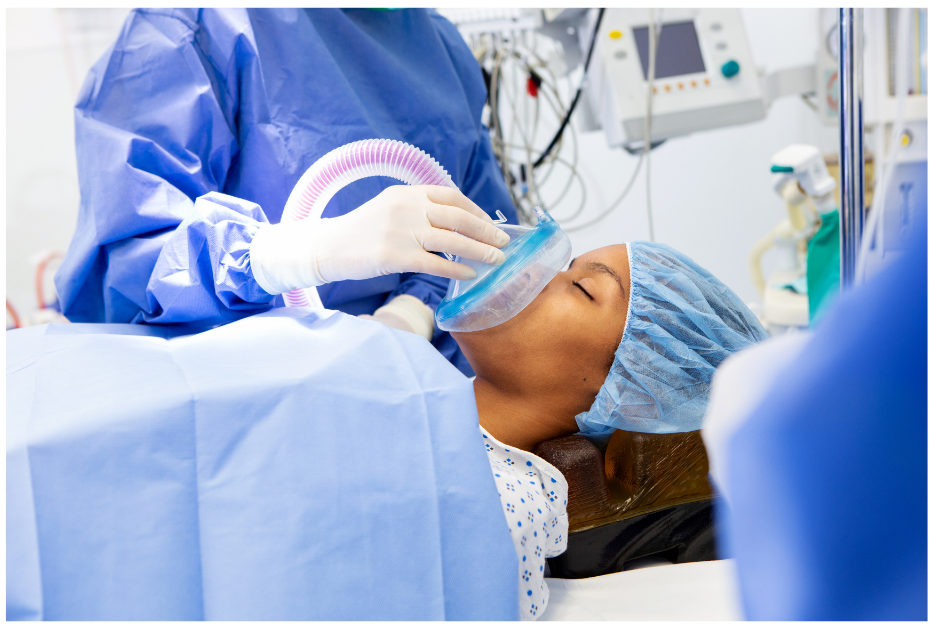
The Evolution of Anesthesia Drugs
Throughout history, general anesthesia relied on agents like halothane, isoflurane, and nitrous oxide. While these drugs were revolutionary for their time, modern advancements have led to the development of more refined, targeted new medications. Today, both anesthesiologists and nurse anesthetists are using newer agents that focus on minimizing the risks and improving patient comfort. Here’s a look at some of the most exciting developments in anesthesia drugs.
1. Targeted Anesthetic Agents for Faster Recovery
One of the most promising trends in anesthesia is the development of drugs that allow for a faster and smoother recovery. Traditional anesthetic agents often leave patients groggy and disoriented for hours after surgery. New drugs, such as remimazolam (a newer version of midazolam), are helping to reverse this. Remimazolam has a rapid onset and a short duration of action, which means patients wake up faster with fewer side effects like nausea or confusion. This is a huge benefit for nurse anesthetist jobs, where efficiency and patient recovery are essential.
For anesthesiologists, this means shorter recovery times in the post-anesthesia care unit (PACU), which ultimately leads to increased patient satisfaction and reduced healthcare costs.
2. Non-Opioid Pain Management
Opioid use in anesthesia has long been a concern due to the risks of addiction and overdose. However, new non-opioid drugs are changing the landscape of pain management. Dexmedetomidine and liposomal bupivacaine are two drugs that help manage pain without relying on opioids.
- Dexmedetomidine is a sedative that can be used in place of traditional anesthetics for specific surgeries, such as in the intensive care setting or during certain outpatient procedures. It allows patients to remain calm and comfortable without the risk of opioid dependence.
- Liposomal bupivacaine is a longer-acting local anesthetic used for post-surgical pain management. It delivers controlled pain relief over a longer period, reducing the need for opioid medications after surgery. This is especially helpful in anesthesiologist jobs where post-operative pain management is key to improving patient outcomes.
By using these new agents, nurse anesthetist jobs also benefit because these drugs provide more options to safely manage pain with fewer side effects.
3. Intravenous (IV) Anesthetics for Quick Sedation
New IV anesthetics such as remifentanil and propofol have revolutionized sedation techniques. These drugs allow for quick induction and emergence from anesthesia, which is especially important in outpatient surgery where a fast recovery time is critical. Propofol, for example, is known for its smooth induction and quick recovery, and it is often the drug of choice for procedures like colonoscopies and other minimally invasive surgeries.
For nurse anesthetists, these drugs can provide more flexibility in sedation protocols, allowing them to tailor anesthesia to the needs of each patient while maintaining safety and comfort.

4. Antagonists for Fast Reversal
For both anesthesiologists and nurse anesthetists, the ability to quickly reverse anesthesia is a game-changer. Sugammadex, a novel drug, has transformed the ability to reverse muscle relaxation caused by certain neuromuscular blocking agents like rocuronium and vecuronium. Sugammadex works quickly to neutralize these agents, speeding up recovery time after surgery and reducing the risk of complications from prolonged paralysis.
This is especially beneficial in surgeries where a fast recovery is required, and it helps improve the efficiency of the anesthesia team, whether in an operating room or an outpatient procedure setting.
5. Enhanced Environmental Responsibility: New Inhaled Agents
In recent years, there has been growing concern over the environmental impact of anesthesia gases like sevoflurane and desflurane, which contribute to greenhouse gas emissions. To address this, the medical community is exploring new, more environmentally friendly anesthetic agents.
For example, enflurane and xenon have been touted as alternatives that may have a lower environmental footprint. Xenon, while still in the research phase, is a noble gas that doesn’t have the same impact on the atmosphere as traditional agents.
This shift is especially relevant for anesthesiologists in the operating room, as reducing the environmental impact of anesthesia could become an important aspect of healthcare sustainability. Nurse anesthetist jobs may also see a shift in protocols as these newer agents gain wider adoption.
6. The Future of Anesthesia: Personalized Medicine
The future of anesthesia drugs lies in personalized anesthesia, where treatments are tailored to individual patient needs based on their genetics, medical history, and other factors. Drugs like esmolol (a beta-blocker) and remifentanil are examples of medications that allow for more precise dosing and monitoring.
For nurse anesthetists and anesthesiologists, personalized medicine means a more customized approach to patient care. It requires staying up-to-date with the latest research and understanding how to adjust drug protocols for different patient profiles, improving safety and outcomes.
Conclusion
As the field of anesthesia continues to advance, both anesthesiologists and nurse anesthetists are at the forefront of incorporating new drugs and technologies into their practice. These new agents are offering better outcomes for patients, faster recovery times, and fewer side effects, all while reducing the environmental impact of anesthesia.
The future of anesthesia is exciting, with new drugs providing safer, more efficient care, and creating new opportunities for those in anesthesiologist jobs and nurse anesthetist jobs to improve patient care. By staying on top of these innovations, anesthesia professionals can continue to deliver exceptional care and improve the patient experience.
Anesthesia is such an exciting career and we have many open positions available nationwide. Whether you are an anesthesiologist, CRNA, pain management physician, or an anesthesiologist assistant, we can find the right job for you. Please reach out to us to find your next dream job.